Effective Pasture Mowing Strategies
Mowing during the late vegetative stage ensures maximum nutrient content and regrowth potential.
Late spring and early summer are ideal for initial mowings, with subsequent cuts depending on regrowth and weather conditions.
Avoid mowing during or immediately after heavy rains to prevent soil compaction and damage to plants.
Frequent assessments help determine when plants have recovered enough for the next mowing cycle.
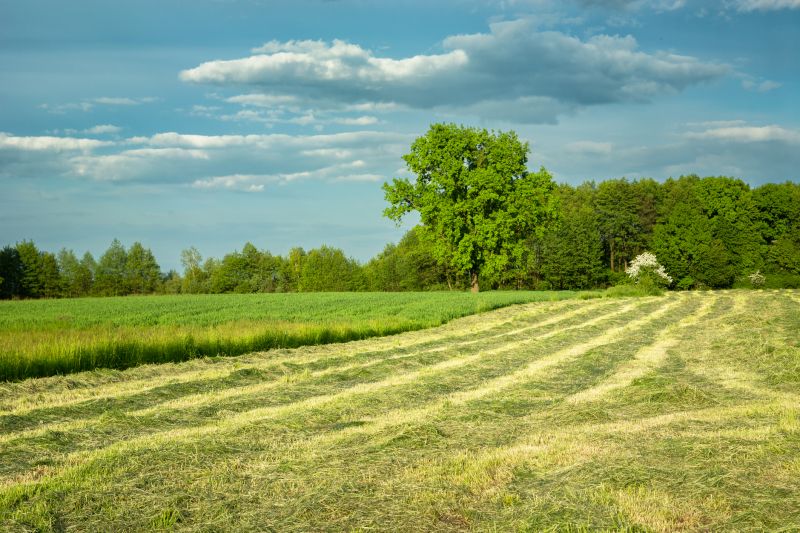
Early spring mowings promote healthy regrowth and prevent weed encroachment.
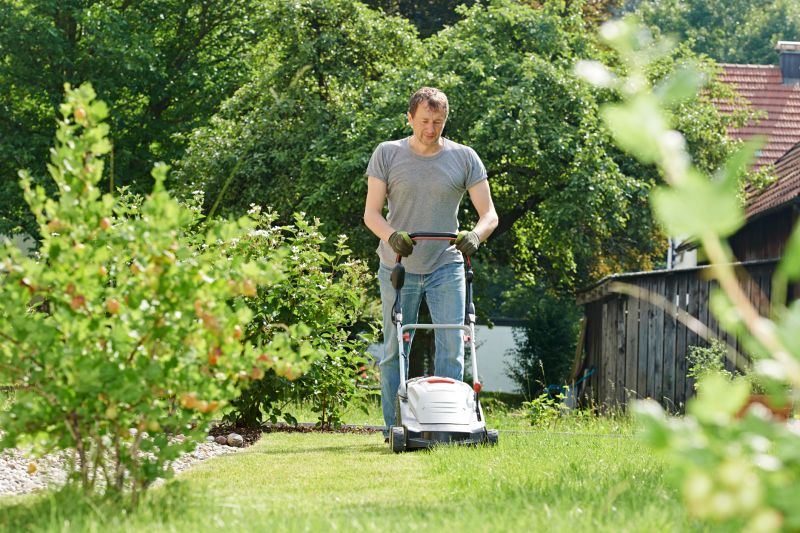
Mid-season cuts help control plant height and improve forage quality.
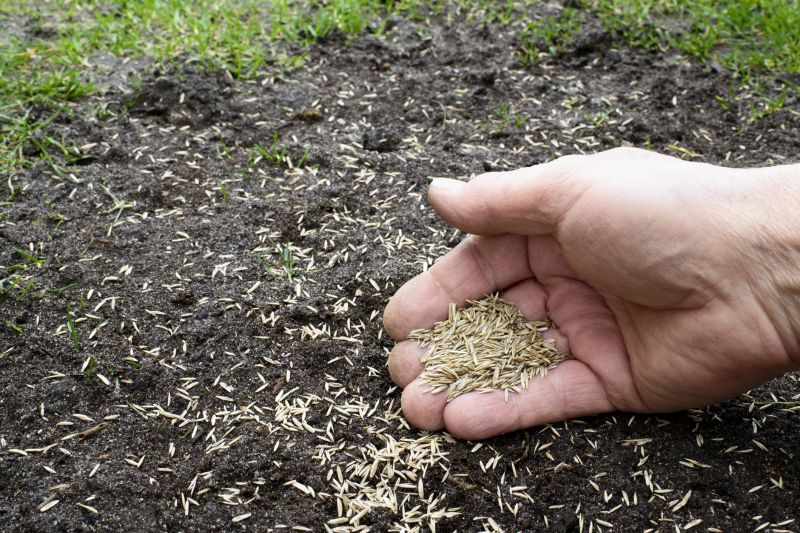
Late season mowing prepares pastures for dormancy and future growth cycles.
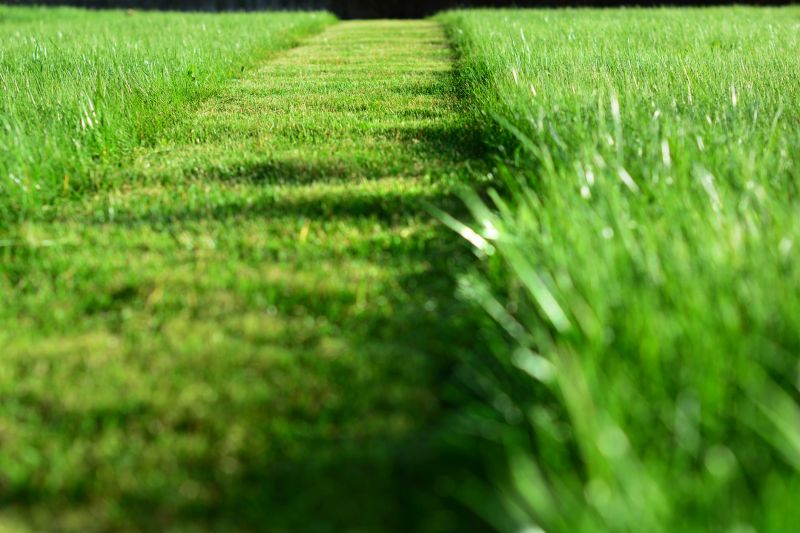
Ways to make Pasture Mowings work in tight or awkward layouts.
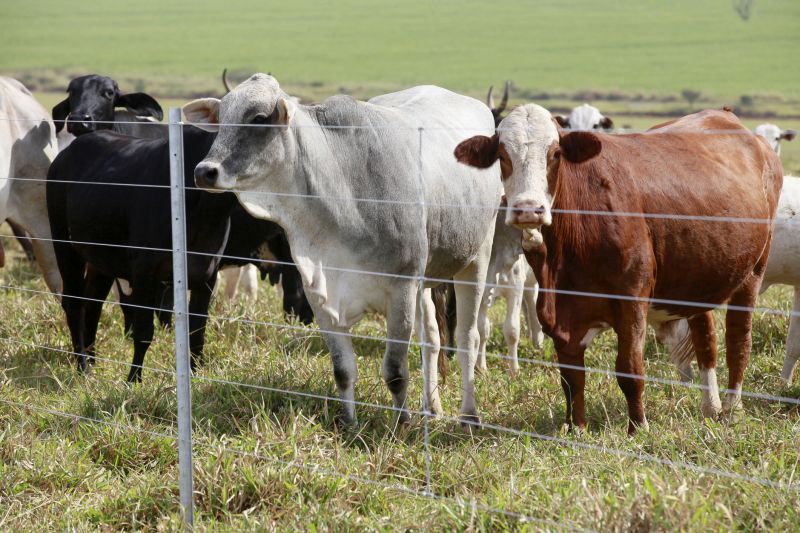
Popular materials for Pasture Mowings and why they hold up over time.
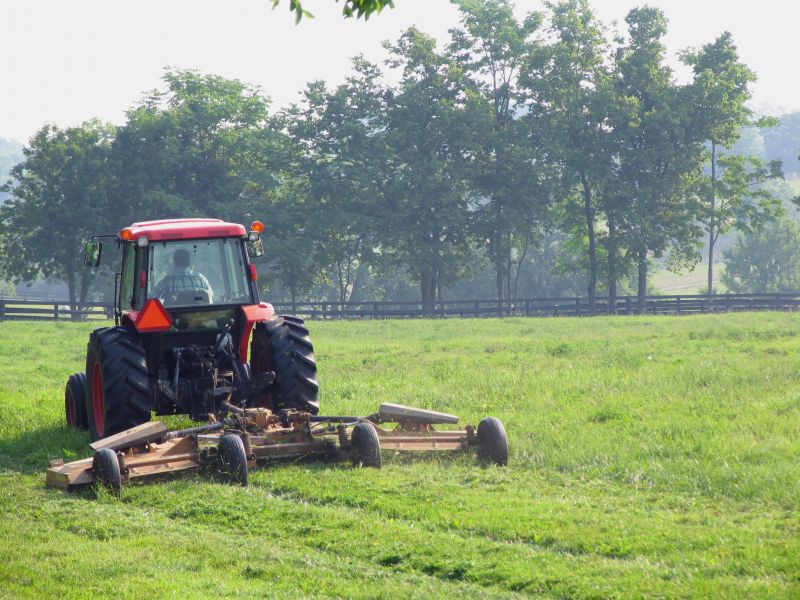
Simple add-ons that improve Pasture Mowings without blowing the budget.
Pasture mowings play a vital role in maintaining healthy forage stands and optimizing productivity. Proper timing ensures that plants are harvested at their peak nutritional value while encouraging vigorous regrowth. Adjusting mowing schedules based on seasonal growth patterns and environmental conditions can significantly impact pasture longevity and yield.
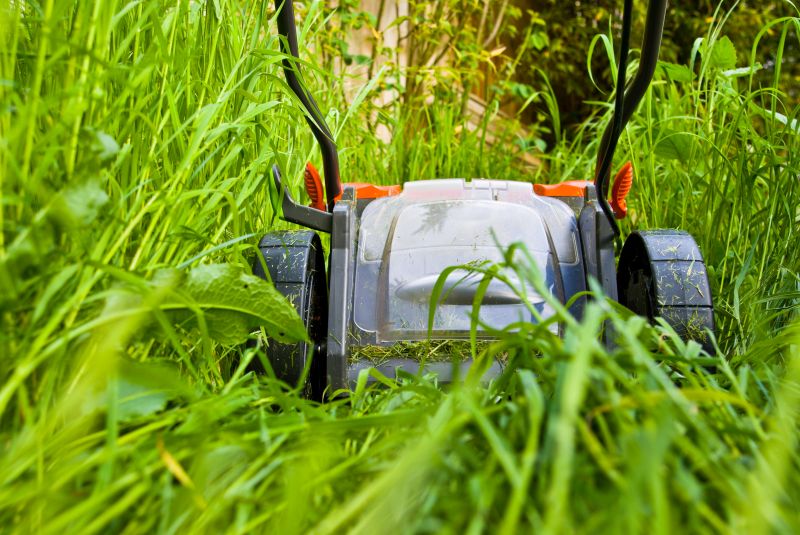
Implementing multiple mowings per season can enhance forage quality and prevent overgrowth.
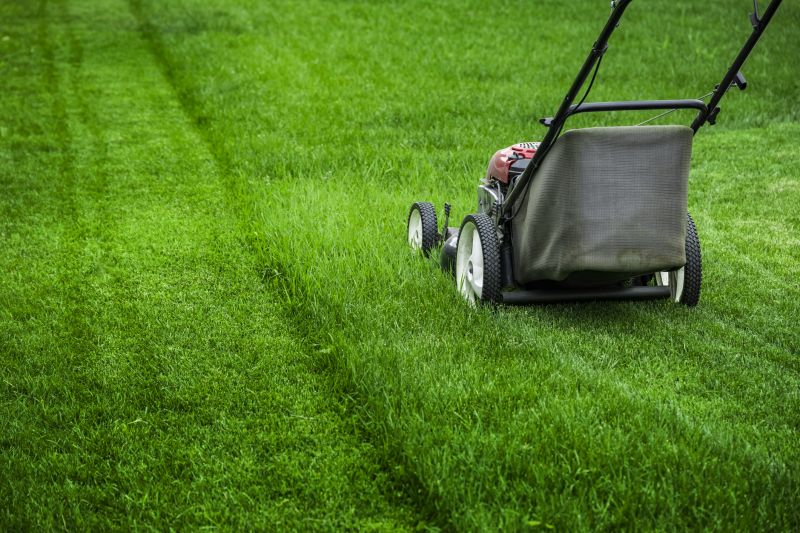
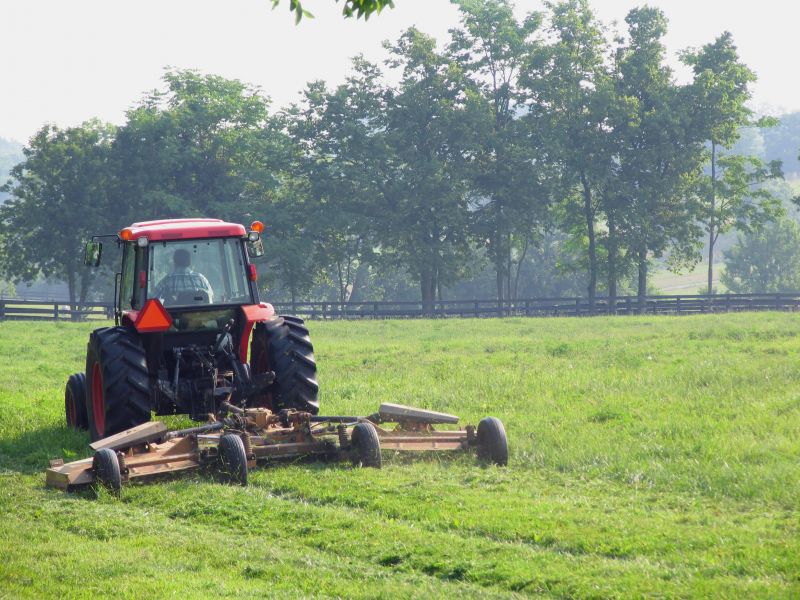
Proper mowing equipment ensures clean cuts and minimizes pasture damage.
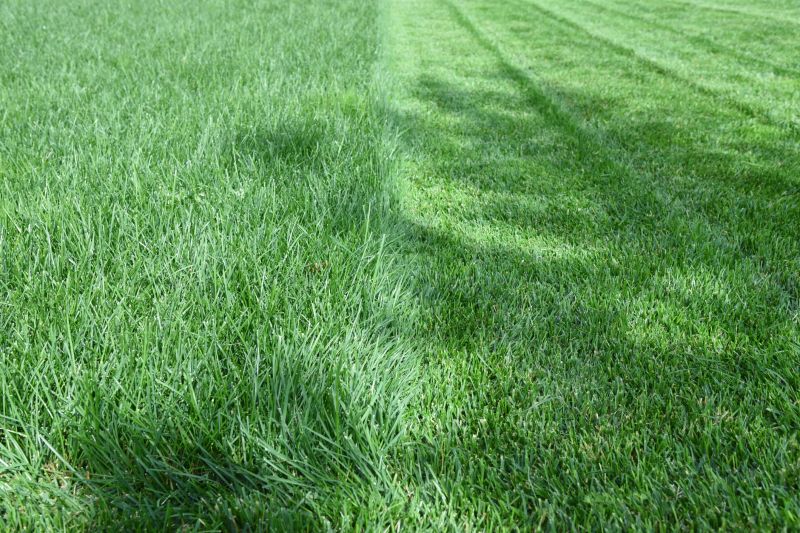
Well-timed mowings contribute to lush, productive pastures.
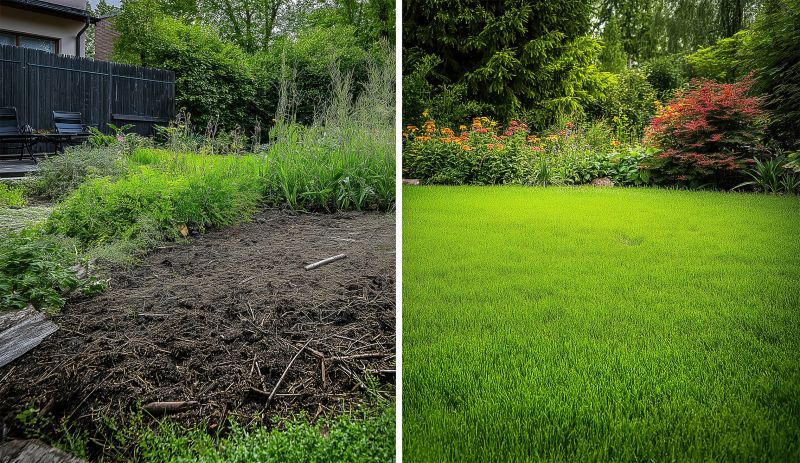
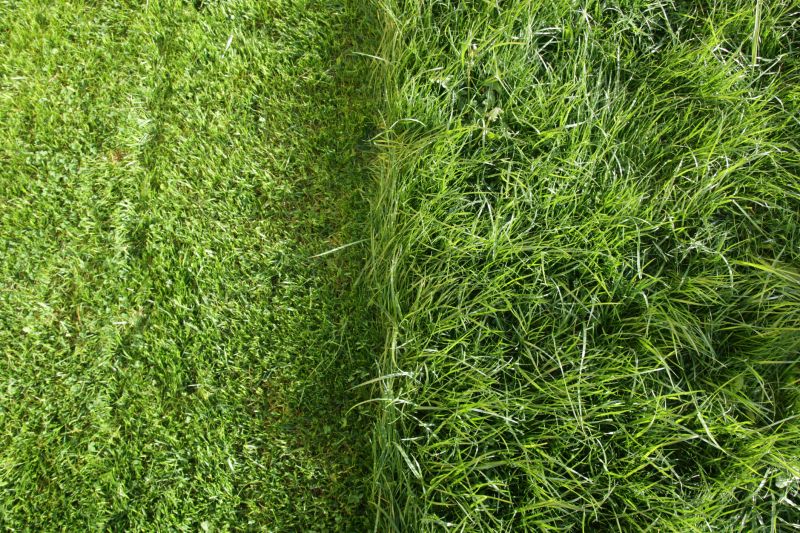
The landscape after mowing shows even, controlled forage height.
High-end options that actually feel worth it for Pasture Mowings.
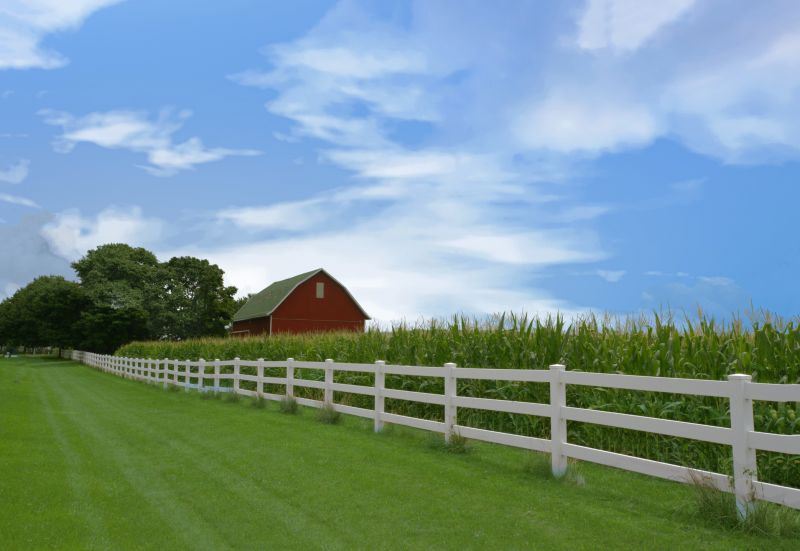
Finishes and colors that play nicely with Pasture Mowings.

Little measurements that prevent headaches on Pasture Mowings day.
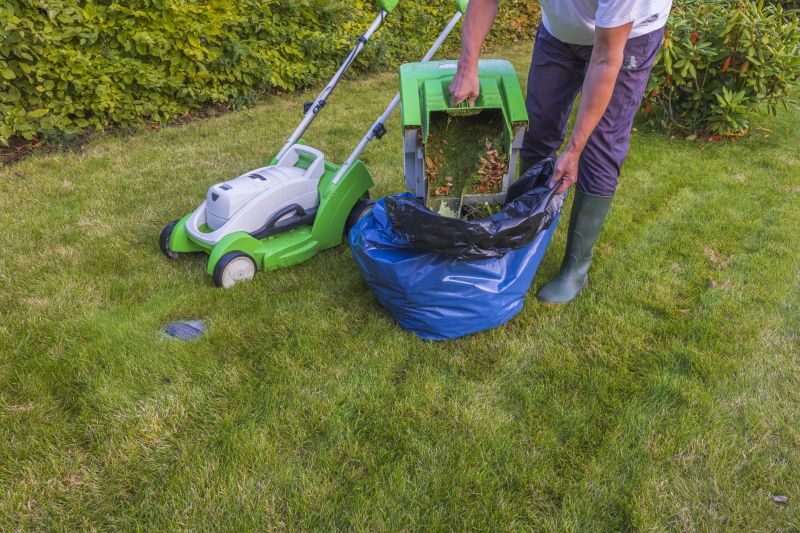
A 60-second routine that keeps Pasture Mowings looking new.
A frequent mistake in Pasture Mowings and how to dodge it.
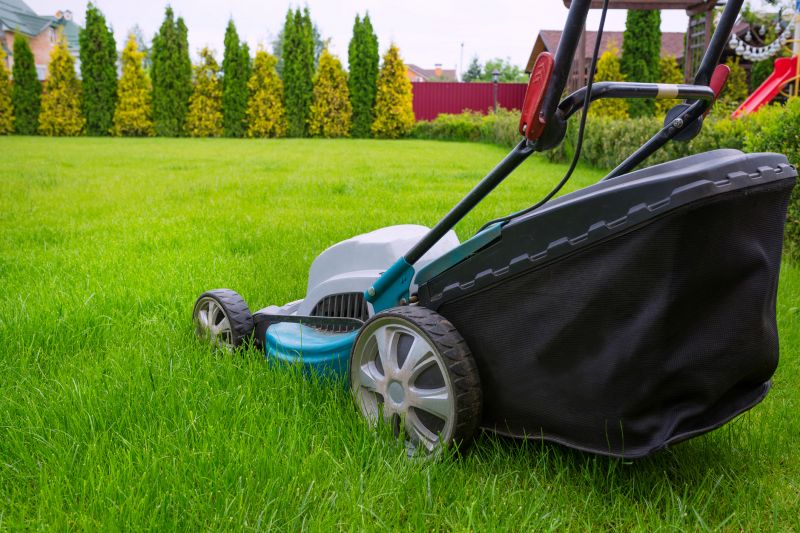
Small tweaks to make Pasture Mowings safer and easier to use.
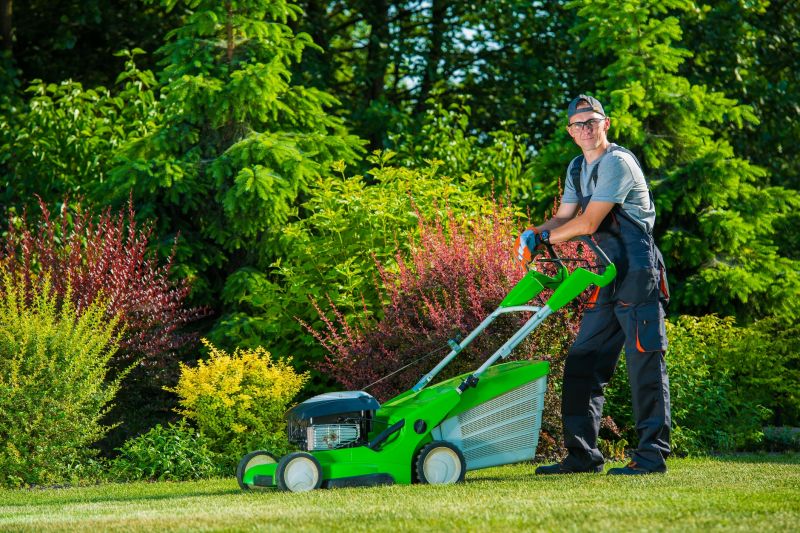
Lower-waste or water-saving choices for Pasture Mowings.
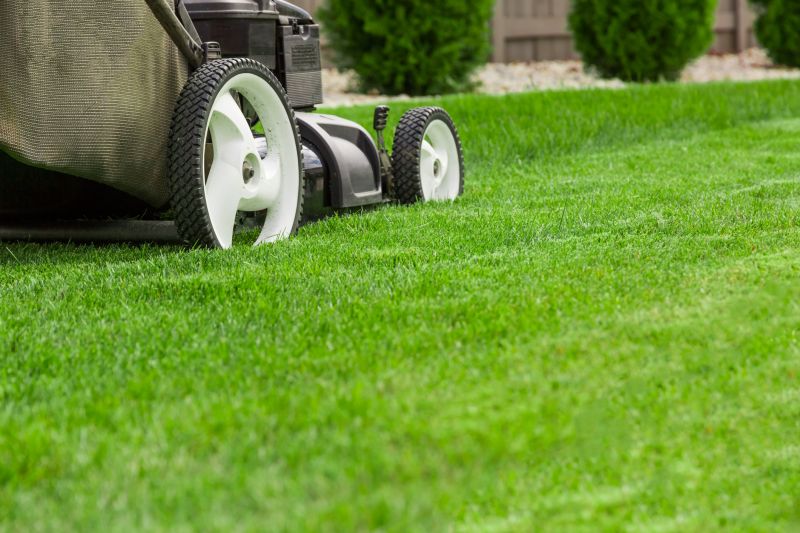
The short, realistic tool list for quality Pasture Mowings.
| Timing Aspect | Details |
|---|---|
| Growth Stage | Mow during late vegetative stage for optimal forage quality. |
| Seasonal Window | Late spring and early summer are preferred times. |
| Weather Conditions | Avoid mowing during wet or rainy periods. |
| Frequency | Based on plant regrowth rate, typically every 4-6 weeks. |
| Soil Impact | Proper timing reduces soil erosion and compaction. |
| Regrowth Rate | Monitor plant recovery to determine next mowing. |
| Plant Species | Different species may require adjusted timing. |
| Pasture Use | Forage for grazing, silage, or hay influences timing choices. |
Effective pasture mowings depend on understanding plant growth cycles and environmental factors. Regular assessment and flexible scheduling support optimal forage production. Proper timing practices can lead to healthier pastures, improved forage quality, and sustained productivity over multiple seasons.
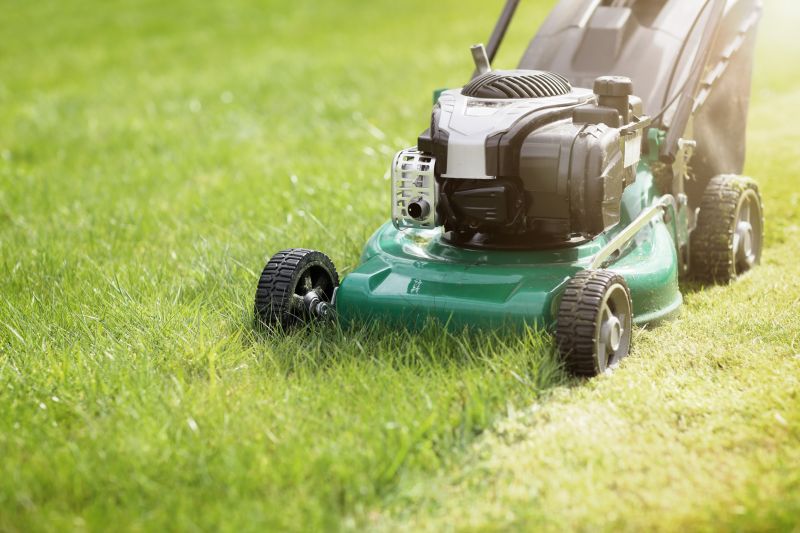
Precision mowing equipment ensures clean cuts and plant health.
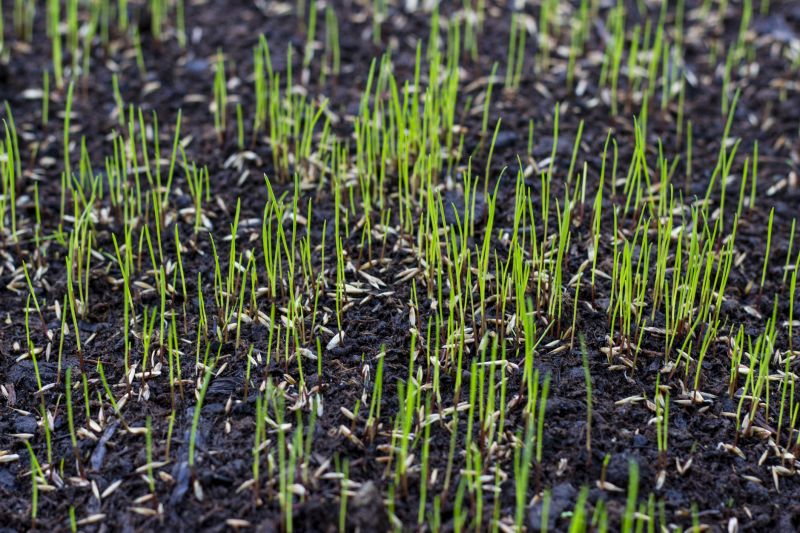
Healthy regrowth following timely mowings sustains pasture productivity.
A visual guide to optimal mowing times throughout the year.
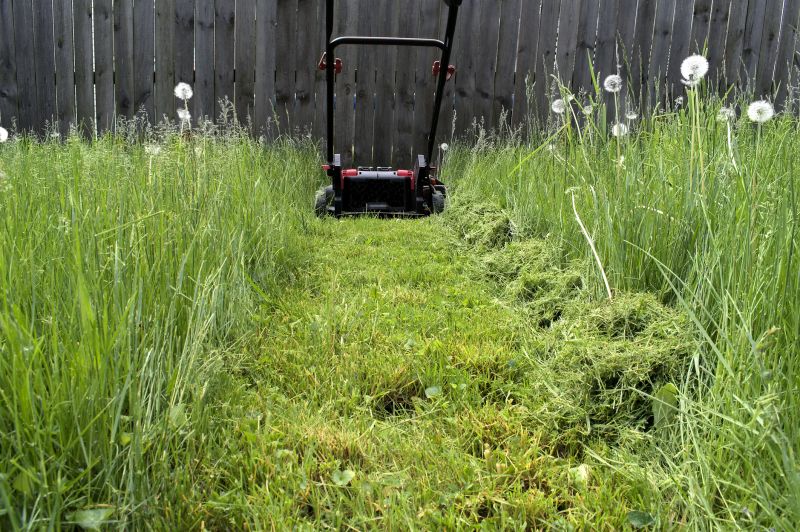
Rough timing from prep to clean-up for Pasture Mowings.
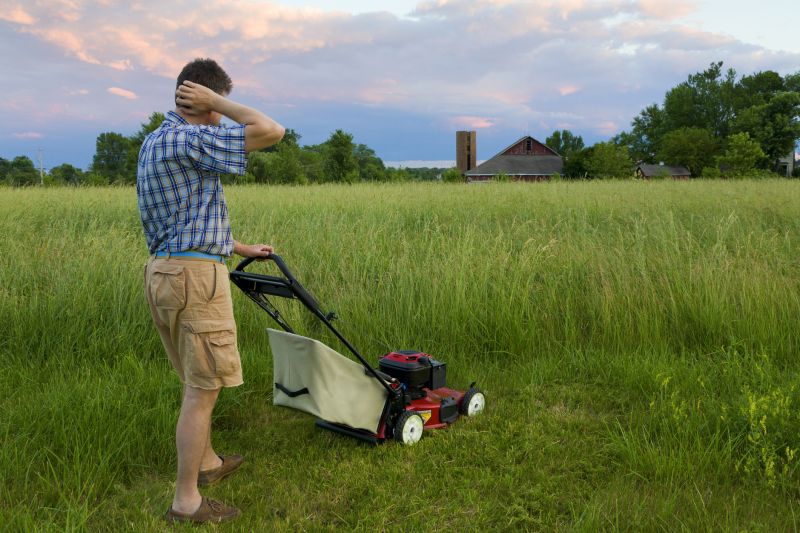
Quick checks and paperwork to keep after Pasture Mowings.
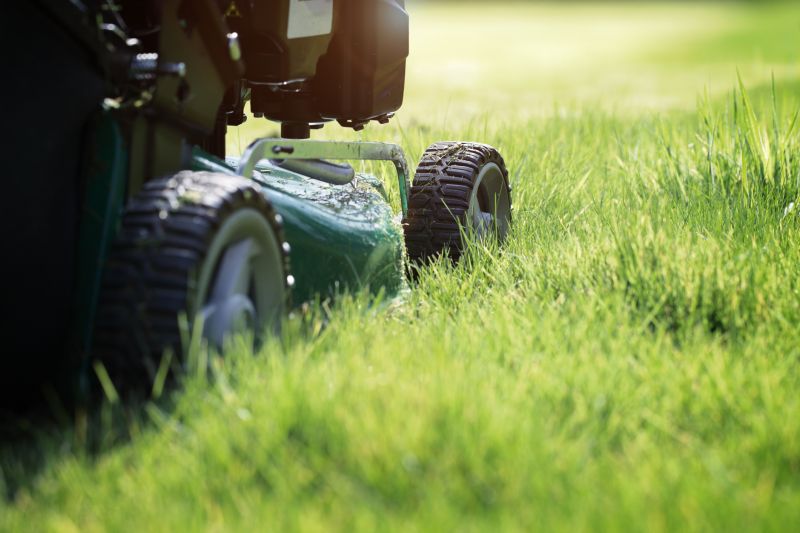
Examples that show the impact a good Pasture Mowings can make.
Interested in scheduling pasture mowings? Filling out the contact form provides access to expert guidance and tailored management plans to meet specific pasture needs.